
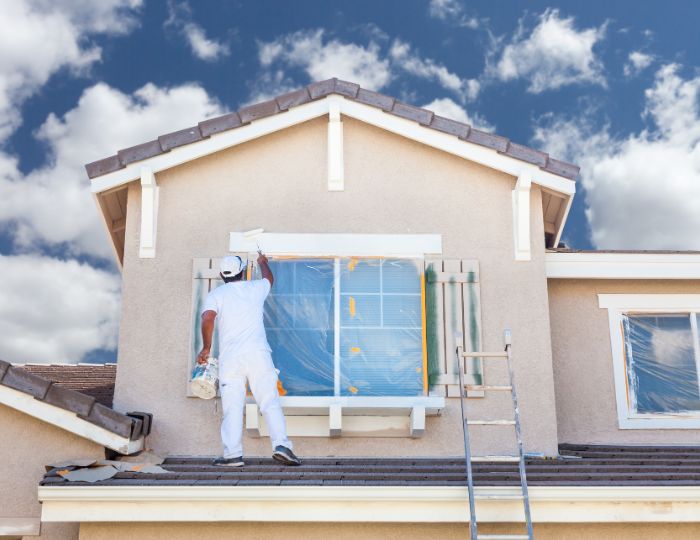

When exterior paint starts peeling or bubbling, it’s more than an eyesore—it’s often a warning sign that something beneath the surface isn’t right. Left unaddressed, peeling and blistering paint can expose your home to moisture damage, wood rot, and costly repairs.
Below, we’ll break down why exterior paint fails, what homeowners can (and can’t) fix themselves, and how professional painters prevent these issues for the long term.
What Does Peeling or Blistering Paint Mean?
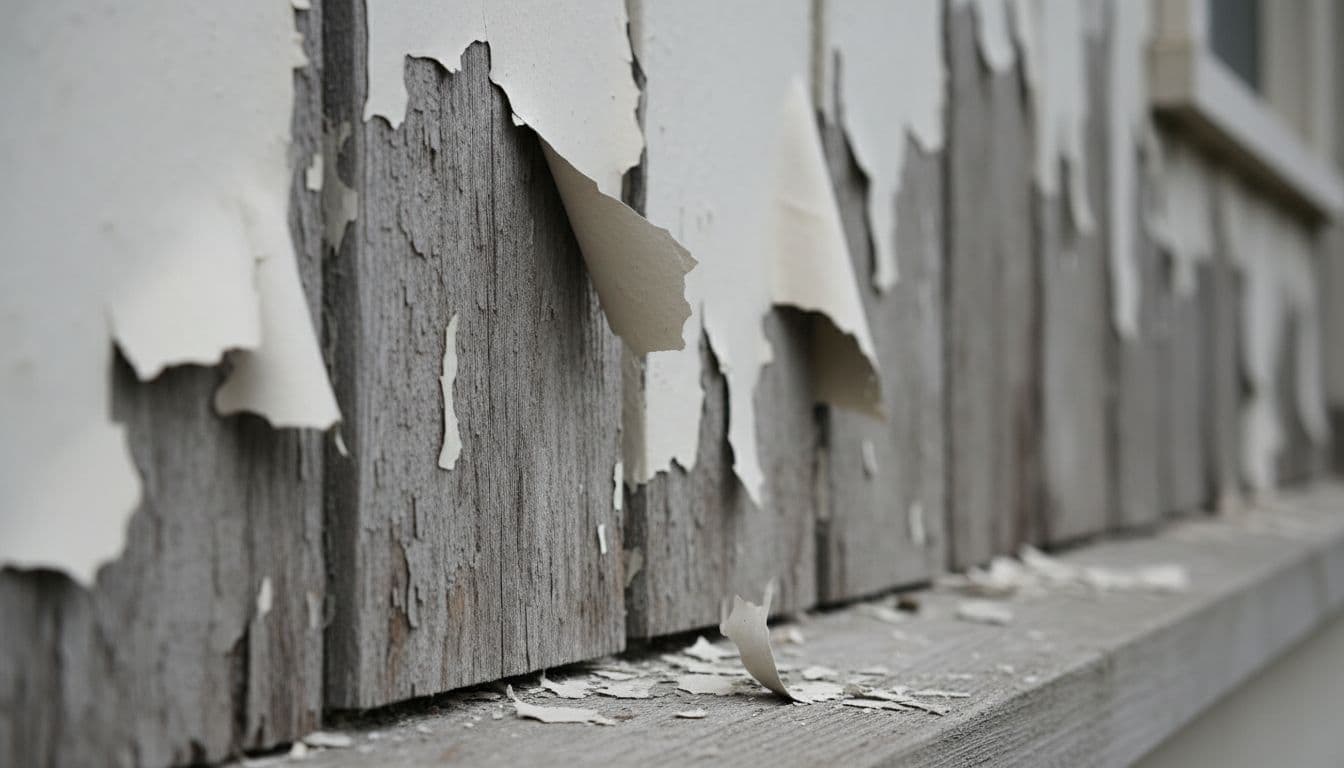
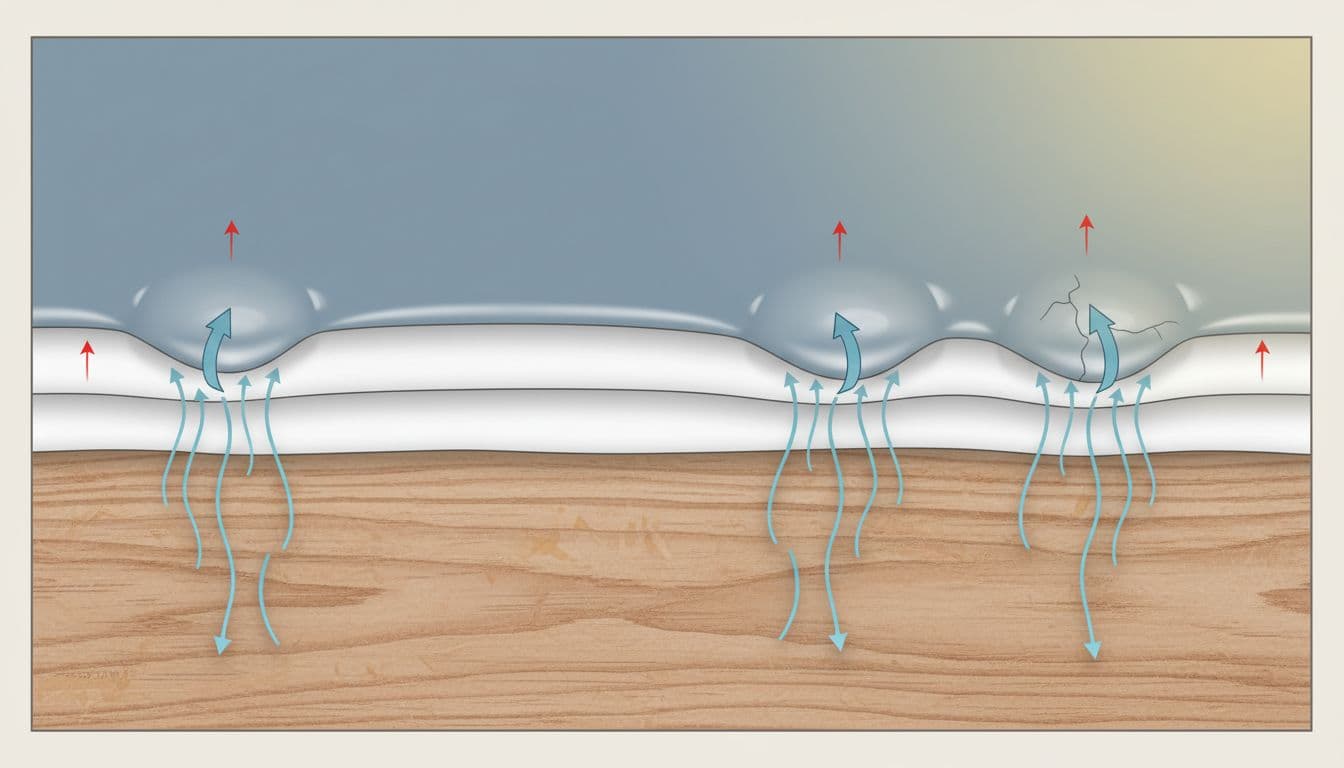
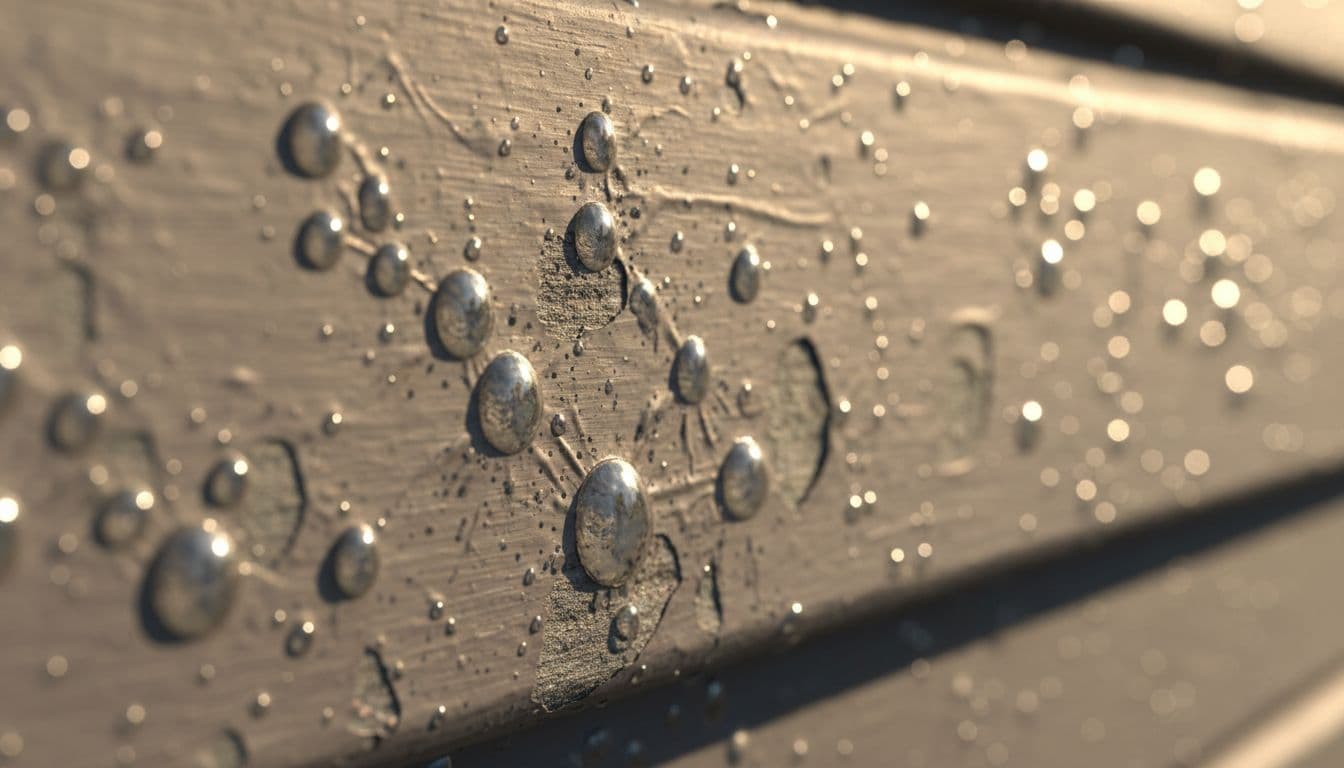
Peeling paint occurs when layers lose adhesion and begin lifting away from the surface. Blistering shows up as bubbles or raised pockets under the paint film. Both usually point to moisture, prep issues, or environmental stress.
If you’re noticing widespread failure across siding, trim, or fascia, it’s often a sign that a full professional evaluation—like the kind offered through expert exterior painting services—is the smartest next step.
The Most Common Causes of Exterior Paint Failure
Moisture Intrusion (The #1 Culprit)
Moisture trapped behind paint pushes outward, causing bubbling and peeling. This can come from:
-
Leaky gutters or downspouts
-
Poor caulking around windows and doors
-
Unsealed wood or siding joints
Homes that also need exterior cleaning may benefit from professional pressure washing before repainting to eliminate mold and mildew that trap moisture.
Poor Surface Preparation
Paint needs a clean, sound surface to bond properly. Skipping steps like scraping, sanding, or priming almost guarantees premature failure. Even high-end paint won’t stick to chalky, dirty, or flaking surfaces.
Professional painters often address hidden damage during prep, including minor repairs that overlap with light carpentry work.
Painting Over Old or Failing Paint
Applying new paint over peeling layers doesn’t solve the problem—it hides it temporarily. Once the old paint continues to fail underneath, the new coat comes off with it.
This is why experienced crews strip failing paint and stabilize the surface before repainting.
Incorrect Paint or Primer Choice
Exterior surfaces require coatings designed to handle UV exposure, temperature swings, and moisture. Using the wrong primer—or skipping primer entirely—can cause blistering within months.
Professionals match primers and paints to specific materials, whether wood, fiber cement, or masonry.
Extreme Weather Conditions During Application
Painting in direct sun, high humidity, or cold temperatures can cause paint to dry too fast—or not cure properly at all. This weakens adhesion and leads to bubbling and peeling.
Reputable painting companies schedule exterior work around proper weather windows to avoid these issues.
Why DIY Fixes Often Don’t Last
Homeowners can sometimes scrape and touch up small peeling areas, but without addressing the root cause, the problem usually returns. DIY jobs often miss:
-
Hidden moisture paths
-
Failing caulk or flashing
-
Subsurface wood damage
A professional evaluation catches these issues early—before they spread.
How Professional Painters Fix Peeling and Blistering for Good
Thorough Inspection and Moisture Control
Pros start by identifying where moisture is entering and how to stop it. This may involve sealing gaps, repairing trim, or coordinating with other exterior maintenance.
Proper Surface Repair and Prep
This includes scraping loose paint, sanding edges smooth, repairing damaged areas, and priming correctly. Services like plaster and drywall repair may also be needed if moisture has affected adjacent interior surfaces.
Premium Materials and Proven Techniques
Professionals use commercial-grade primers and paints designed for long-term exterior durability. They also apply coatings at the correct thickness for maximum protection.
Local Expertise Matters
Homes in northern Illinois face freeze-thaw cycles and humidity that accelerate paint failure. Working with a trusted painting company in Libertyville or nearby communities ensures materials and methods are suited to local conditions.
When to Call a Professional Painter
You should strongly consider professional help if:
-
Peeling or blistering appears in multiple areas
-
Bare wood or substrate is visible
-
Paint failure returns quickly after touch-ups
-
You’re planning a full exterior repaint
You can explore examples of completed projects in the gallery or check customer feedback on the reviews page to see what professional results look like.
Protecting Your Home’s Exterior Long-Term
Addressing peeling and blistering early preserves both your home’s appearance and its structural integrity. With proper prep, materials, and technique, a professionally painted exterior can last for many years—without recurring failures.
If you’re considering next steps, reaching out through the contact page is often the easiest way to get a clear plan and timeline.
TL;DR / Key Takeaways
-
Peeling and blistering paint are usually caused by moisture, poor prep, or incorrect materials
-
DIY fixes often fail because they don’t address underlying issues
-
Professional painters focus on moisture control, surface repair, and proper coatings
-
Local expertise and exterior-specific products make a major difference
-
Early intervention saves money and prevents deeper exterior damage
