
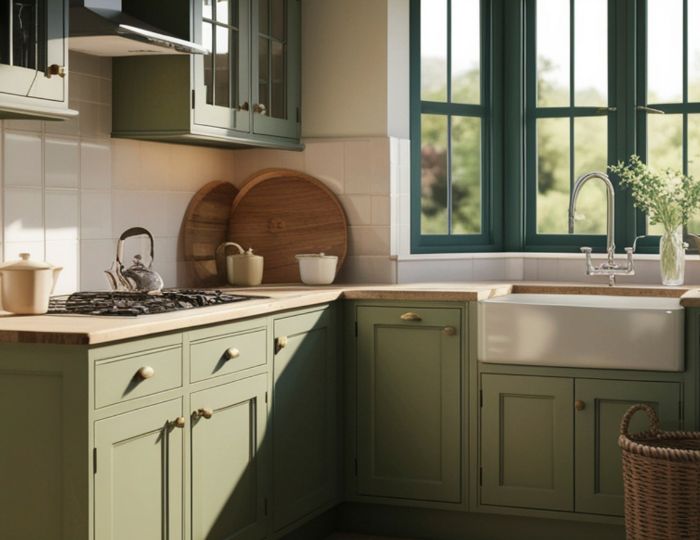

Kitchen cabinet painting is one of the most cost-effective ways to transform your kitchen without the expense of a full remodel. But one of the first questions homeowners ask is: How long will it actually last?
The short answer: Professionally painted kitchen cabinets typically last 8–15 years — sometimes longer — when properly prepared and maintained.
The long answer depends on prep work, products, daily wear, and who does the job. Here’s what you need to know.
How Long Does Cabinet Painting Typically Last?
When done correctly, cabinet painting is not a “quick facelift.” It’s a durable finish designed to withstand daily use.
Professionally Painted Cabinets
With proper prep, high-quality primers, and professional-grade coatings, you can expect:
-
8–15 years of durability
-
Strong adhesion without peeling
-
Smooth, factory-like finish
-
Resistance to chipping and moisture
Professional painters follow a detailed process similar to what you’ll see in comprehensive interior painting services, but tailored specifically to cabinetry.
DIY Cabinet Painting
DIY cabinet projects often last:
-
2–5 years
-
Sometimes less in high-use kitchens
The biggest difference isn’t just the paint — it’s the preparation. Skipping steps leads to early failure, similar to what happens when surfaces aren’t properly cleaned before painting (as explained in Do Most Painting Companies Clean Surfaces Before Painting?).
What Determines How Long Cabinet Paint Will Last?
Several factors directly impact durability.
1. Surface Preparation
Cabinets accumulate grease, food residue, and oils. Without proper degreasing and sanding, paint won’t adhere correctly.
Professionals often include:
-
Deep cleaning and degreasing
-
Sanding or scuff-sanding
-
Repairs similar to plaster and drywall repair when needed
-
High-adhesion bonding primer
Skipping prep is the #1 reason cabinets chip or peel prematurely.
2. Type of Paint Used
Cabinet paint is different from standard wall paint. Durable finishes use:
-
Alkyd or urethane-modified coatings
-
Enamel-based finishes
-
Products designed specifically for high-touch surfaces
If you’re unsure how products differ, understanding the basics in What Is the Difference Between Interior and Exterior Paint? helps clarify why material selection matters.
3. Application Method
Brush-only applications can leave thicker, less even coats. Many professionals use:
-
Spray application for smooth finish
-
Controlled drying environments
-
Proper curing times
This is part of what separates a basic repaint from the level of workmanship described in The Benefits of Hiring a Professional Painter for Your Home or Business.
4. Daily Wear and Tear
High-traffic kitchens naturally experience more:
-
Hand contact
-
Moisture
-
Cleaning chemicals
-
Impact from dishes and cookware
Heavily used cabinets near sinks and trash pull-outs may show wear sooner than upper cabinets.
Signs Your Cabinet Paint Is Failing
Even quality cabinet finishes eventually show signs of wear. Look for:
-
Chipping along edges
-
Peeling near handles
-
Bubbling from moisture exposure
-
Yellowing or dulling finish
-
Surface scratches that penetrate to substrate
If you’re noticing widespread deterioration, it may be time to repaint — similar to recognizing Signs It’s Time to Repaint Your Home or Office.
How to Make Cabinet Paint Last Longer
The good news: proper care significantly extends cabinet life.
1. Clean Gently and Consistently
-
Use mild soap and water
-
Avoid abrasive scrubbers
-
Wipe spills quickly
Harsh degreasers can slowly break down even high-quality finishes.
2. Install Hardware
Handles and pulls reduce direct hand contact with painted surfaces, especially around edges where paint typically fails first.
3. Control Kitchen Humidity
Excess moisture shortens finish life. Proper ventilation helps protect cabinetry just as it protects walls in high-moisture rooms (like bathrooms discussed in What’s the Best Paint for High-Humidity Bathrooms?).
4. Address Damage Early
Small chips can often be spot-repaired before they spread. Waiting too long may require a full repaint.
5. Hire the Right Painting Company
Cabinet painting is not the same as wall painting. It requires technical prep, specialty coatings, and controlled application.
If you’re considering upgrading your kitchen, working with an experienced team like Drake Painting ensures the project aligns with the same high standards found in their broader interior painting and decorative trim services.
Is Cabinet Painting Worth It Compared to Replacing Cabinets?
In most cases, absolutely.
Cabinet replacement can cost three to five times more than professional refinishing. When done correctly, cabinet painting:
-
Extends the life of solid cabinetry
-
Modernizes your kitchen
-
Increases perceived home value
-
Costs significantly less than full remodels
As discussed in Maximizing Home Value with Paint, strategic painting upgrades deliver one of the highest returns on investment in home improvement.
If your cabinet boxes are structurally sound, painting is often the smarter financial move.
When It’s Time to Repaint Cabinets
You may consider repainting when:
-
Finish is consistently worn across multiple doors
-
Color feels dated
-
Surface damage is widespread
-
You’re preparing to sell your home
A consultation through the contact page can help determine whether a refresh or a more involved refinishing process is best for your kitchen.
TL;DR – Key Takeaways
-
Professionally painted kitchen cabinets typically last 8–15 years.
-
Longevity depends heavily on surface preparation and product quality.
-
DIY jobs often fail early due to insufficient prep.
-
Gentle cleaning and humidity control extend lifespan.
-
Cabinet painting is significantly more cost-effective than replacement.
-
Hiring experienced professionals dramatically improves durability and finish quality.
If you want cabinet painting that looks exceptional and lasts, proper preparation and professional application make all the difference.
